|
|
|
|
|
|
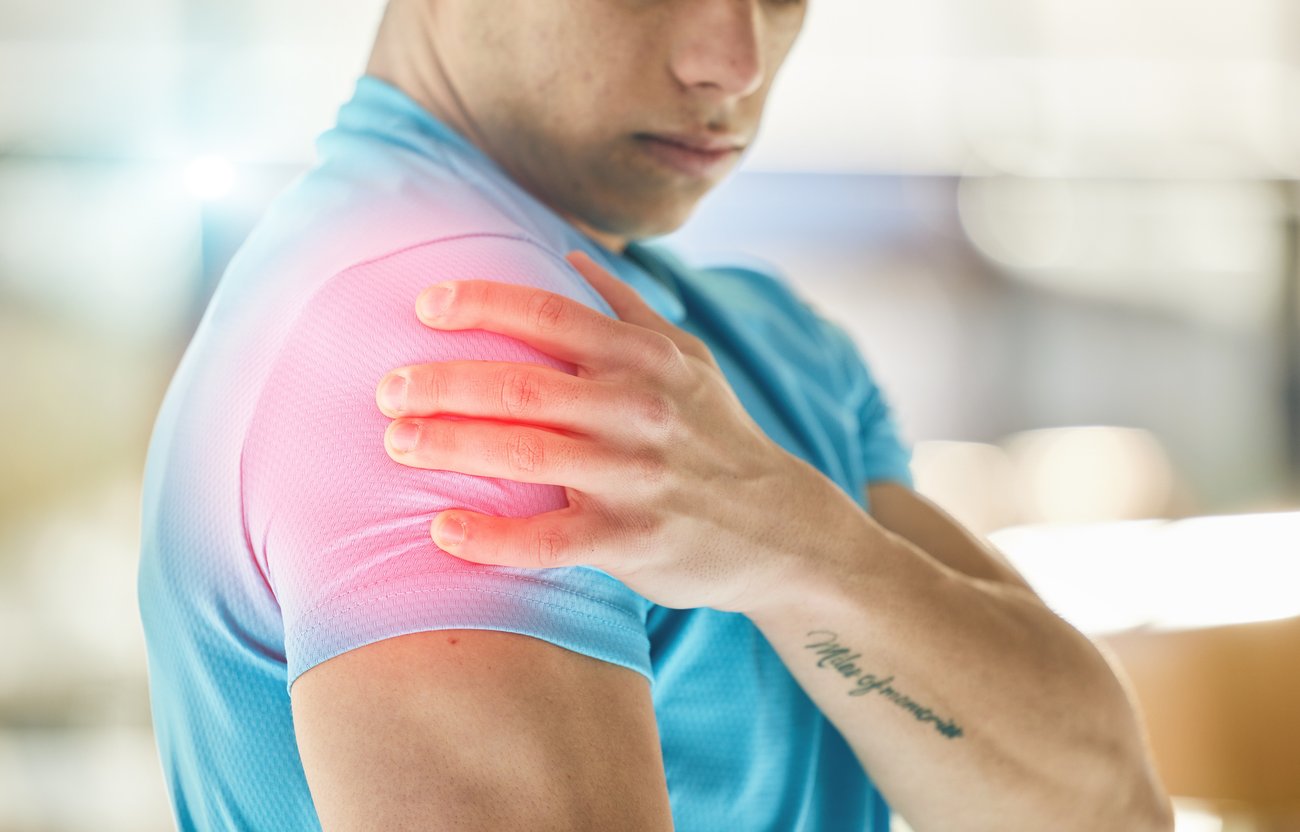
Recent RCT finds superior functional outcomes with a new Smith & Nephew bioinductive collagen implant augmentation procedure
|
|
Symptomatic partial-thickness rotator cuff tears are traditionally treated with a debridement and repair of the tendon. But re-tear rates can be as high 13.5%.
A new Smith & Nephew bioinductive collagen implant, arthroscopically applied, promises to provide advantages over this method. But does comparative data support this?
In an RCT with 41 patients, patients who received the augmentation procedure reported superior function in the first 3 months, with no significant differences in radiographic healing.
The study represents a novel development in rotator cuff treatment that has the potential to change practice, and patient outcomes, for the better.
|
|
|
Full Analysis →
|
|
|
|
|
|
|
|
|
|
|
Recent study finds high levels of patient satisfaction among elderly ACL tear patients who are operated on.
|
|
When it comes to ACL tears in those 50 or older, there's always a bit of hesitation when deciding to operate. Typically, operations are performed in the young and physically active.
But a recent study out of NYU Langone shows that patients who do receive the procedure have extremely high rates of satisfaction -- as high as 80-90%.
While this study was retrospective, the findings open the discussion around ACL reconstruction in older adults, especially when appropriately indicated.
|
|
|
Full Analysis →
|
|
|
|
|
|
|
|
|
|
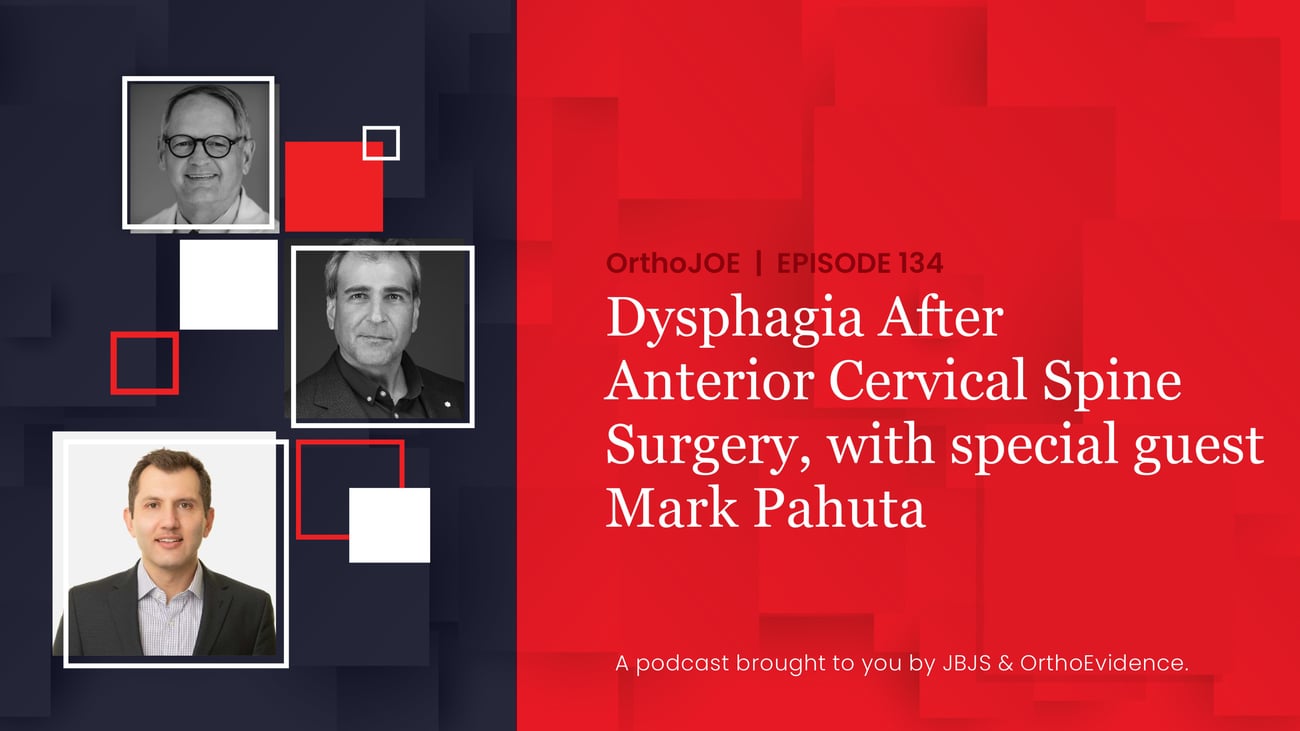
Surgeons have a tendency to opt for the operative route when treating spinal conditions, but is there more to the decision we aren't considering?
In this episode of OrthoJoe, Drs Mohit Bhandari and Mark Swiontkowski sit down with Markian Pahuta, a surgeon-scientist at McMaster University, for a discussion on dysphagia after anterior cervical spine surgery.
Part of the issue is methodological in nature -- while the subjective rates of dysphagia are high among patients, most passive the functional swallow test. Dr Pahuta suggests that we might need new scales to measure clinically significant dysphagia.
|
Watch Now →
|
|
|
|
The long-term effects of tissue flossing on ankle range of motion, strength, balance, and jump performance in athletes with limited ankle dorsiflexion: a randomized controlled trial — In male team and racket sport athletes with limited ankle dorsiflexion, does tissue flossing performed three times weekly for six weeks, compared with static stretching, improve ankle ROM, strength, balance, and jump performance?
(Read)
(Read)
(Read)
(Read)
(Read)
(Read)
(Read) (Read)
|
|
|
The Greenhouse technique provides lower retear rate and similar outcomes in rotator cuff repair: a prospective randomized controlled trial — In patients with reparable unilateral full-thickness rotator cuff tears undergoing arthroscopic rotator cuff repair, does the Greenhouse technique combined with microfracture, compared with traditional single-row repair, reduce retear rates and improve clinical and functional outcomes?
(Read)
(Read)
(Read)
(Read)
(Read)
(Read)
(Read) (Read)
|
|
|
Intraosseous vs. intravenous vancomycin administration in total shoulder arthroplasty: comparable tissue concentrations with better control — In patients undergoing total shoulder arthroplasty, does intraosseous vancomycin administration, compared to intravenous administration, achieve similar tissue concentrations while affecting systemic levels and
complication rates?
(Read)
(Read)
(Read)
(Read)
(Read)
(Read)
(Read) (Read)
|
|
|
Two ways to inform your clinical decisions |
FastTrack — what your peers are reading across the networkOE Signal — personalized weekly evidence based on your interests |
|
|
|
|