|
|
|
|
|
|
An award winning RCT in the Journal of Arthroplasty suggests that the use of benzoyl peroxide gel provides no reduction in C. acnes positive culture.
|

|
Cutibacterium acnes is a major culprit in the fight against periprosthetic joint infection.
The problem is it is relatively unaffected by the typical surgical skin preparations like chlorhexidine and isopropyl alcohol.
But there is hope: benzoyl peroxide has been shown to reduce the rate of superficial and dermal colonization. However, its never been tested thoroughly in the context of THA.
Researchers recently conducted a randomized trial to see whether it could effectively reduce C. acnes cultures in THA.
The result? No effect.
It's a result that further emphasizes the need for new research on different skin prep protocols.
|
|
|
Full Analysis →
|
|
|
|
|
|
|
|
|
|
|
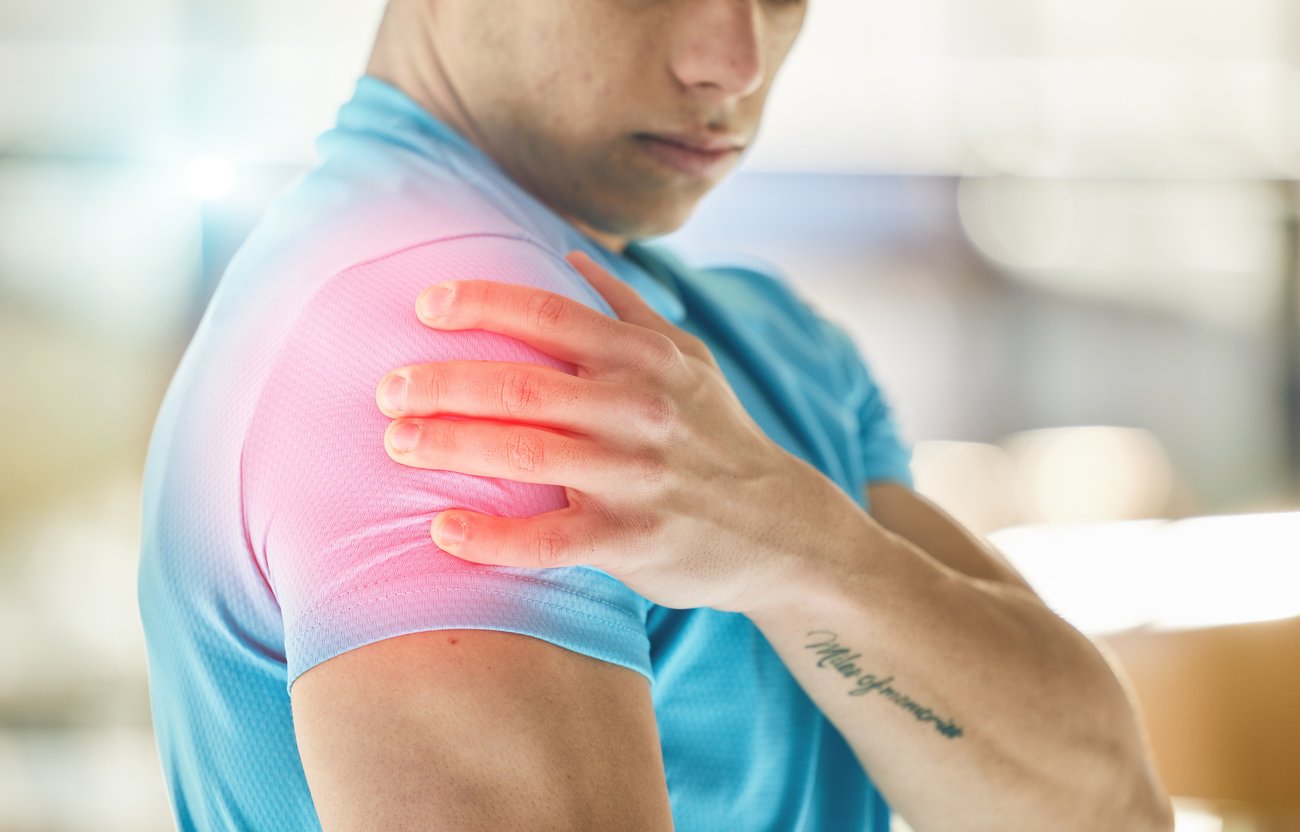
Recently presented research at the AAOS meeting reports no difference between the two, with a slightly higher rate return to sport with reverse TSA.
|
|
Reverse TSA was originally indicated for rotator cuff arthropathy. But the latest trends and evidence suggest it has efficacy beyond this indication.
A study of patients with glenohumeral arthritis, recently presented at AAOS, found virtually no difference in clinical outcomes between reverse TSA and anatomic TSA. It even reported a slightly higher return to sport rate in the reverse TSA group.
According to lead investigator Anthony Finocchiaro, "This study, in particular, is a helpful and additive piece of the preoperative discussion regarding expectations".
|
|
|
Full Analysis →
|
|
|
|
|
|
|
|
|
|
Surgeons have a tendency to opt for the operative route when treating spinal conditions, but is there more to the decision we aren't considering?
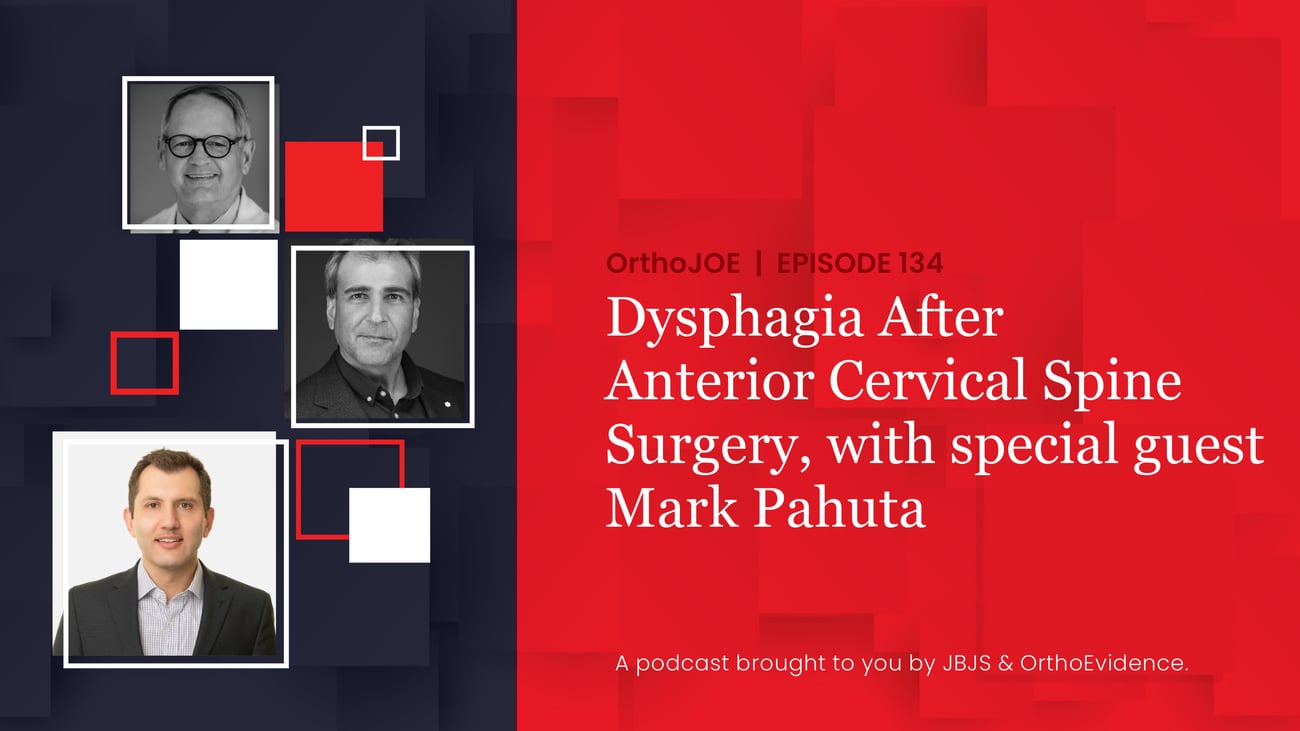
In this episode of OrthoJoe, Drs Mohit Bhandari and Mark Swiontkowski sit down with Markian Pahuta, a surgeon-scientist at McMaster University, for a discussion on dysphagia after anterior cervical spine surgery.
Part of the issue is methodological in nature -- while the subjective rates of dysphagia are high among patients, most passive the functional swallow test. Dr Pahuta suggests that we might need new scales to measure clinically significant dysphagia.
|
Watch Now →
|
|
|
|
Preoperative Versus Postoperative Adductor Canal Block for Total Knee Arthroplasty: A Randomized Controlled Trial — In patients undergoing primary unilateral TKA, does postoperative adductor canal block placement compared with preoperative placement improve postoperative pain control, opioid consumption, nausea, vomiting, and length of hospital stay?
(Read)
(Read)
(Read)
(Read)
(Read)
(Read)
(Read) (Read)
|
|
|
Effect of Intramedullary Platelet-Rich Plasma on Fracture Healing in Elderly Intertrochanteric Fractures: A Randomized Controlled Trial — In elderly patients with intertrochanteric femoral fractures undergoing cephalomedullary nail fixation, does intraoperative intramedullary PRP injection compared with placebo saline injection improve fracture healing and postoperative functional outcomes?
(Read)
(Read)
(Read)
(Read)
(Read)
(Read)
(Read) (Read)
|
|
|
Ligament Advanced Reinforcement System (LARS) Synthetic Graft for Complex Ligament Reconstruction after Chronic Elbow Instability: a Randomized Controlled Trial — In chronic elbow instability patients undergoing an elbow ligament reconstruction, how does a synthetic LARS graft compare to an autologous palmaris longus tendon graft with respect to elbow
function and other clinical outcomes?
(Read)
(Read)
(Read)
(Read)
(Read)
(Read)
(Read) (Read)
|
|
|
Two ways to inform your clinical decisions |
FastTrack — what your peers are reading across the networkOE Signal — personalized weekly evidence based on your interests |
|
|
|
|