|
|
|
|
|
|
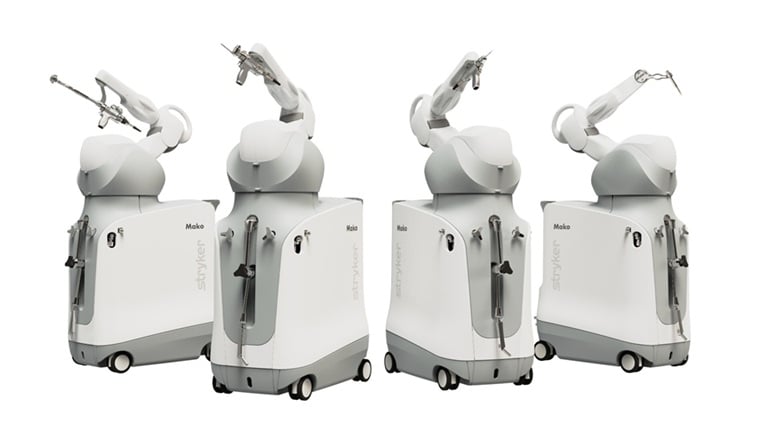
Meta-analyses results find lower rates of reoperation & complication, and shorter hospital stay compared to conventional arthroplasty.
|
|
Robotics is undoubtedly considered to be a frontier innovation in orthopaedics.
It's been used in a variety of arthroplasty types, especially total hip and knee arthroplasty. But how's its effectiveness in patients with patellofemoral arthroplasty indications?
The current evidence, as represented by the most recent meta-analyses suggests quite well.
Lower incidence of reoperation.
Lower risk of complications.
Lower implant-related revision.
Shorter length of stay.
The early evidence is promising, and high-quality studies will surely follow to confirm it.
|
|
|
Full Analysis →
|
|
|
|
|
|
|
|
|
|
|
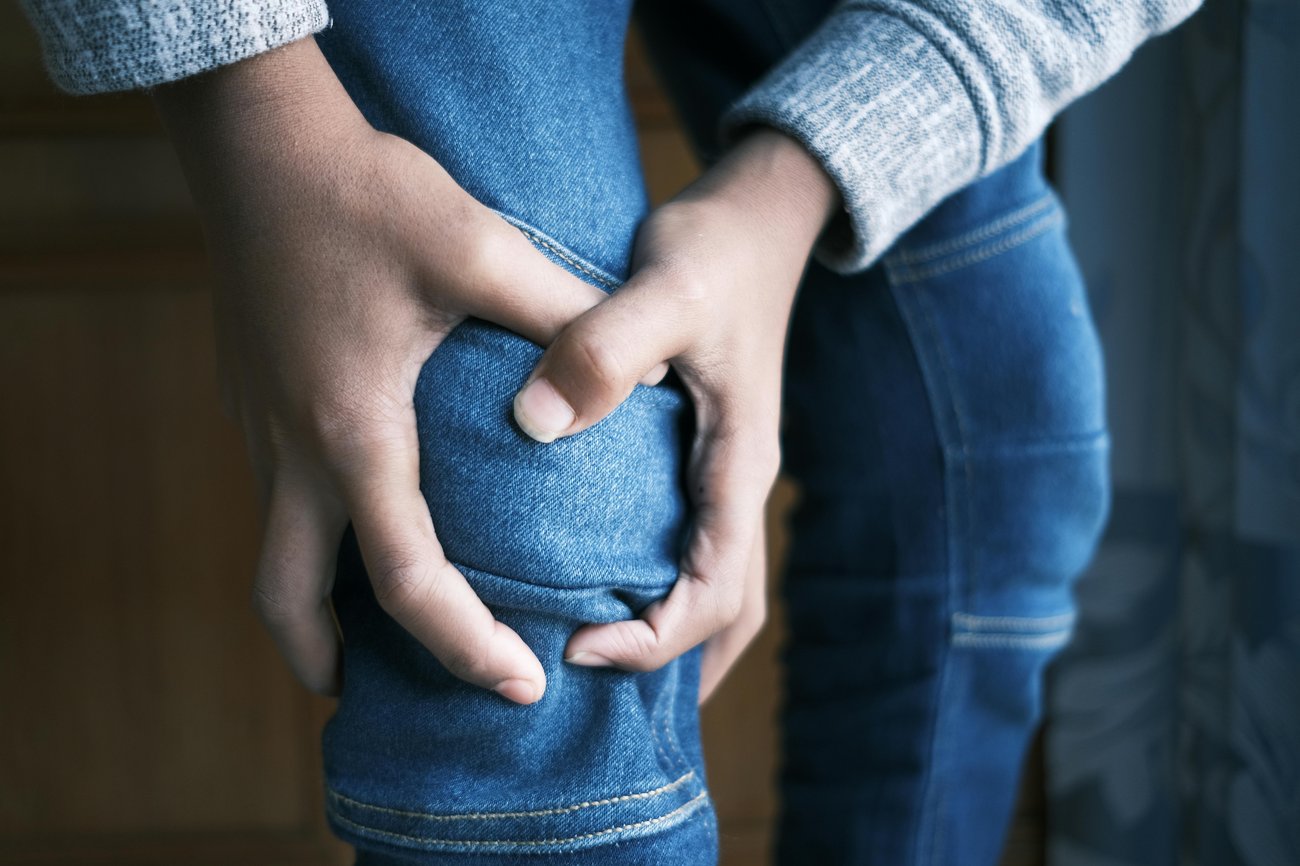
Recent observational study finds a 3.7x higher re-injury rate with ACL repair compared to ACL reconstruction.
|
|
For ACL injuries surgically treated, the choice between repair and reconstruction has always been a complex one.
But recent evidence is suggesting that for some populations, repair is associated with much greater risks.
When it comes to re-injury -- that risk is 3.7x higher compared to reconstruction.
According to Dr Matthew Daggett, pivot shift is an important predictor in the repair group.
“We need to have further research on ACL repair in these specific populations, with longer, more randomized controlled clinical trials focusing on ACL repair vs. reconstruction,” Daggett told Healio.
|
|
|
Full Analysis →
|
|
|
|
|
|
|
|
|
|
Surgeons have a tendency to opt for the operative route when treating spinal conditions, but is there more to the decision we aren't considering?
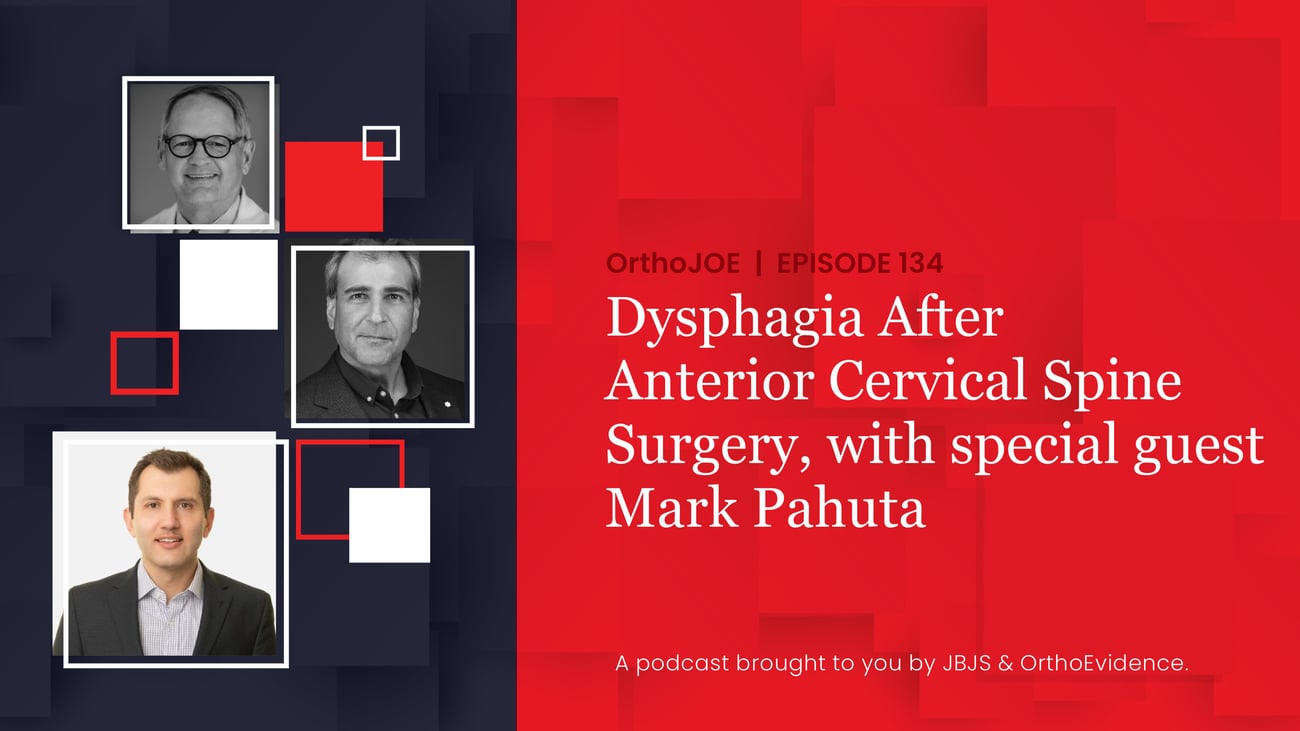
In this episode of OrthoJoe, Drs Mohit Bhandari and Mark Swiontkowski sit down with Markian Pahuta, a surgeon-scientist at McMaster University, for a discussion on dysphagia after anterior cervical spine surgery.
Part of the issue is methodological in nature -- while the subjective rates of dysphagia are high among patients, most passive the functional swallow test. Dr Pahuta suggests that we might need new scales to measure clinically significant dysphagia.
|
Watch Now →
|
|
|
|
Optimizing Postoperative Pain Management in Total Knee Arthroplasty With Preoperative Methadone: A Prospective, Randomized Study — In adults undergoing primary total knee arthroplasty, does a single preoperative 10 mg intravenous methadone dose result in reduced postoperative opioid consumption and improved pain control compared with a preoperative 10 mg oral oxycodone dose?
(Read)
(Read)
(Read)
(Read)
(Read)
(Read)
(Read) (Read)
|
|
|
Arthroscopic Bankart Repair With vs. Without Remplissage in Longer Inferior Craniocaudal Hill-Sachs Extensions — In patients with recurrent traumatic anterior shoulder instability and Hill-Sachs Extensions, how does arthroscopic Bankart repair with vs. without remplissage compare with respect to post-op recurrent instability?
(Read)
(Read)
(Read)
(Read)
(Read)
(Read)
(Read) (Read)
|
|
|
Is Immobilization Necessary After Open Reduction and Internal Fixation of Distal Radius Fractures? A Meta-Analysis of Randomized Controlled Trials — In patients undergoing ORIF with volar locking plate fixation for distal radius fractures, does immediate postoperative mobilization compared with postoperative immobilization improve patient-reported
outcomes, range of motion, and complication rates?
(Read)
(Read)
(Read)
(Read)
(Read)
(Read)
(Read) (Read)
|
|
|
Two ways to inform your clinical decisions |
FastTrack — what your peers are reading across the networkOE Signal — personalized weekly evidence based on your interests |
|
|
|
|