|
|
|
|
|
|
Meta-analyses of 25,000 athletes shows the massive benefit of ACL injury prevention programs.
|
|
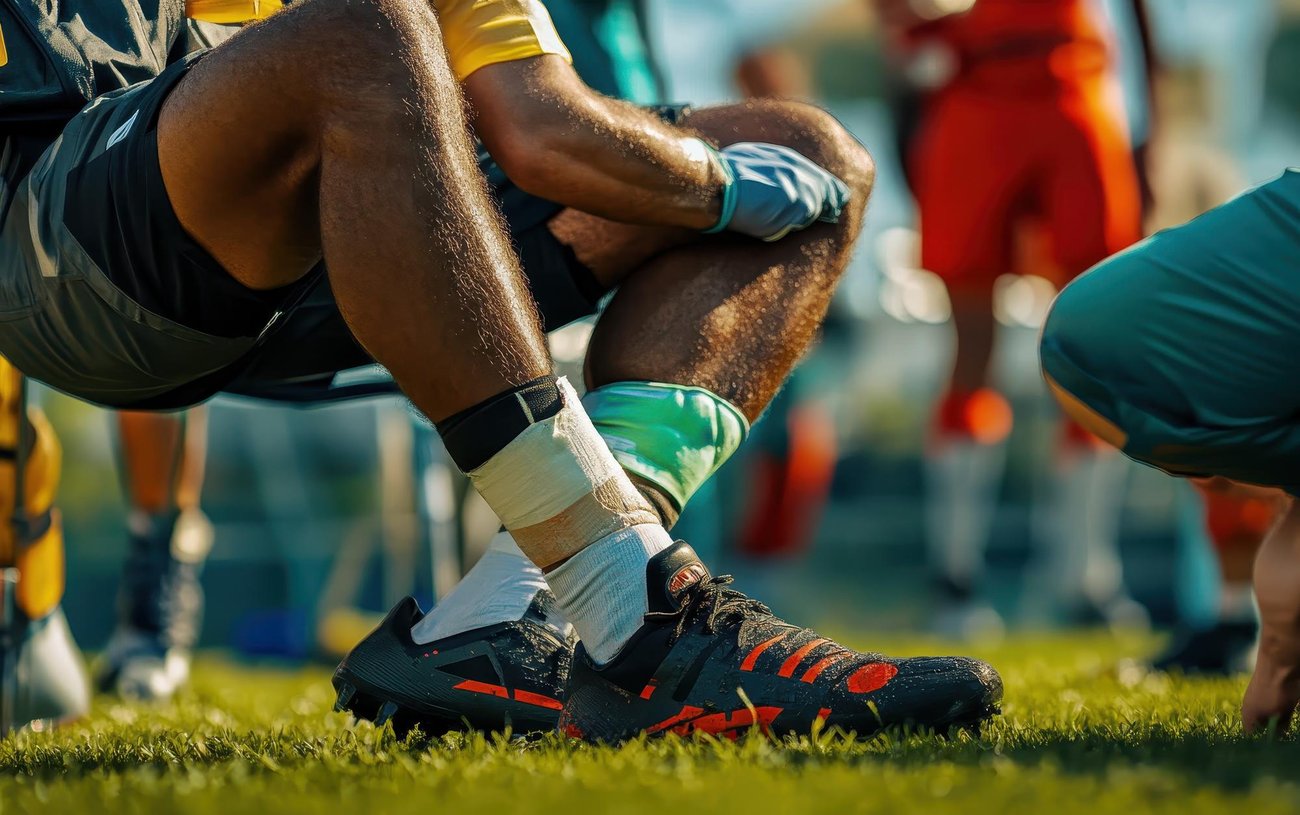
Anyone who plays sports knows how devastating an ACL rupture can be.
To avoid the negative outcomes associated with it, a host of ACL injury preventions have been released over the last few years. But how truly effective are these programs?
In a recent meta-analyses published in the American Journal of Sports Medicine, including 18 articles and over 25,000 athletes, the evidence suggests: very effective.
Over 50% reduction in the risk of ACL injury.
And in soccer players? A 70% risk reduction.
Efficacy was demonstrated in other sports too.
The evidence provides strong support for ACL injury prevention programs.
|
|
|
Full Analysis →
|
|
|
|
|
|
|
|
|
|
|
The world's biggest tournament -- and the orthopaedic cases that have made headlines.
|

|
Today, the world's biggest sports tournament begins in a rematch of the 2010 opening match: Mexico vs. South Africa.
But as the world's best players prepare for the most important tournament of their international careers, some have been left out of rosters due to orthopaedic injury.
Rodrygo -- the Brazil Star -- out with ACL rupture.
Ben White -- English right back -- out with medial ligament injury.
Messi? Only just recovered in time from a hamstring injury.
Lower limb injuries naturally dominate the injury landscape given the nature of the sport. But what are the options for recovery for this year's biggest stars?
Find out in our latest original.
|
|
|
Read the Full Original →
|
|
|
|
|
|
|
|
|
|
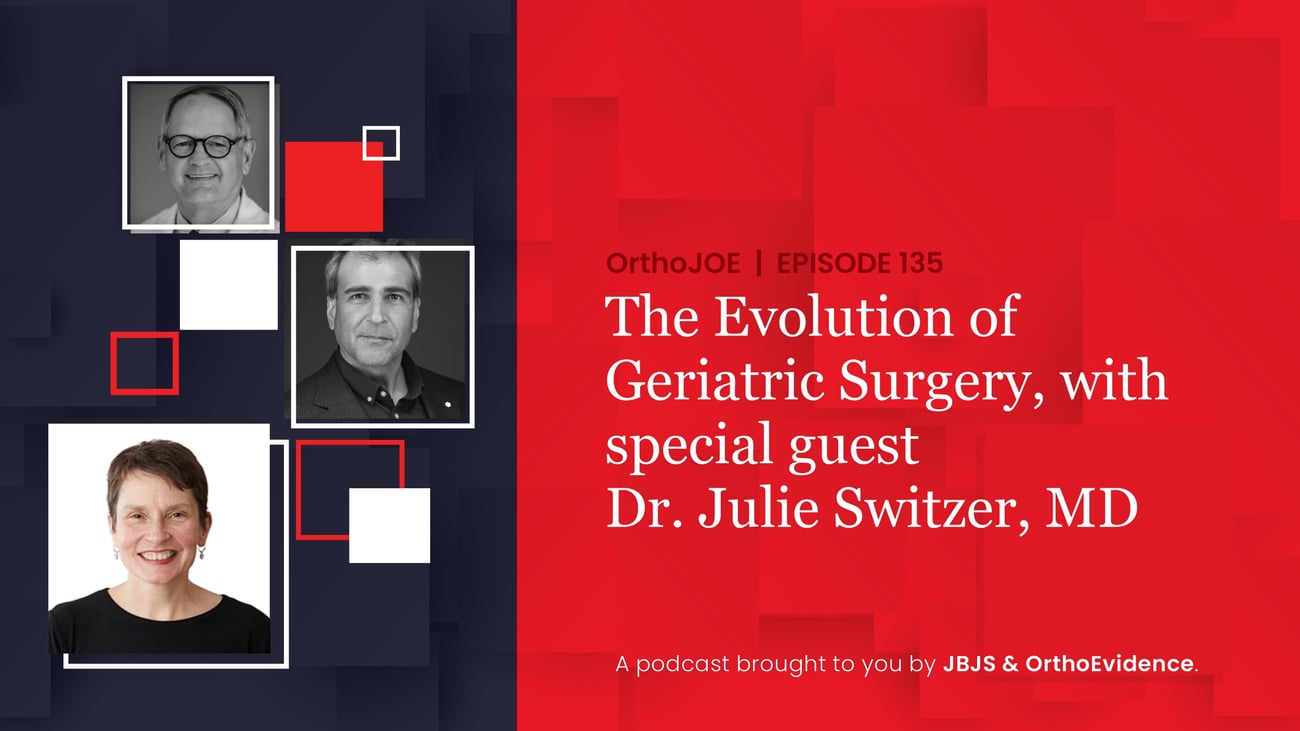
With aging populations around the world, geriatric fracture care is part of the future of orthopaedics.
Dr. Julie Switzer traces how personal connection, surgical purpose, and systems-level thinking shaped her career in caring for older adults.
The discussion reframes fracture management as more than operative fixation, emphasizing collaboration with therapists, geriatricians, hospitalists, nutritionists, and community partners.
Her message is clear: improving outcomes requires surgeons to look beyond the OR, embrace secondary fracture prevention, and train the next generation to see geriatric care as a core responsibility.
|
Watch Now →
|
|
|
|
ACL Reconstruction With Femoral Tunnel Anteromedial Portal Antegrade Drilling vs Retrograde Drilling — In patients undergoing primary ACL reconstruction with hamstring tendon autograft, does femoral tunnel creation using anteromedial portal antegrade drilling compared with retrograde drilling result in different patient-reported outcomes and complication rates?
(Read)
(Read)
(Read)
(Read)
(Read)
(Read)
(Read) (Read)
|
|
|
Accuracy and Outcomes of TiRobot-Assisted Pedicle Screw Fixation for Thoracolumbar Fractures: A Meta-Analysis — In patients with thoracolumbar fractures, does TiRobot-assisted pedicle screw fixation compared with conventional freehand or fluoroscopy-guided pedicle screw fixation improve screw placement accuracy, perioperative outcomes, functional recovery, and safety outcomes?
(Read)
(Read)
(Read)
(Read)
(Read)
(Read)
(Read) (Read)
|
|
|
Dynamic Hip Screw vs Femoral Neck System for Adult Femoral Neck Fractures — In adults with femoral neck fractures, does fixation with femoral neck system compared with dynamic hip screw fixation improve perioperative outcomes, functional outcomes, and complication rates?
(Read)
(Read)
(Read)
(Read)
(Read)
(Read)
(Read) (Read)
|
|
|
Two ways to inform your clinical decisions |
FastTrack — what your peers are reading across the networkOE Signal — personalized weekly evidence based on your interests |
|
|
|
|