|
|
|
|
|
|
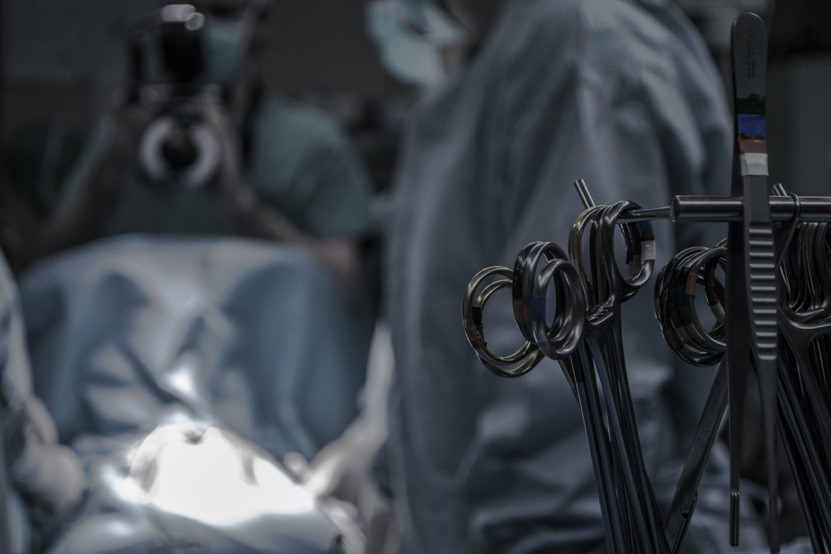
Randomized trial of 158 obese TKA patients finds no clinically meaningful benefit of patient-specific instrumentation.
|
|
Patient-specific instrumentation (PSI) has a great reputation in TKA for lowering the risk of malalignment.
For overweight patients -- who are particularly at risk of implant malalignment and failure -- it theoretically should improve outcomes.
But does the theory translate into real-world impact? The data suggests, no.
In this randomized trial of 158 obese patients who received either (PSI) or standard care:
No difference in function.
No difference in quality of life.
No difference in rates of complications or revisions.
This study is a good example of the value of high-quality research. Sometime the theory doesn't materialize in the real-world.
|
|
|
Full Analysis →
|
|
|
|
|
|
|
|
|
|
|
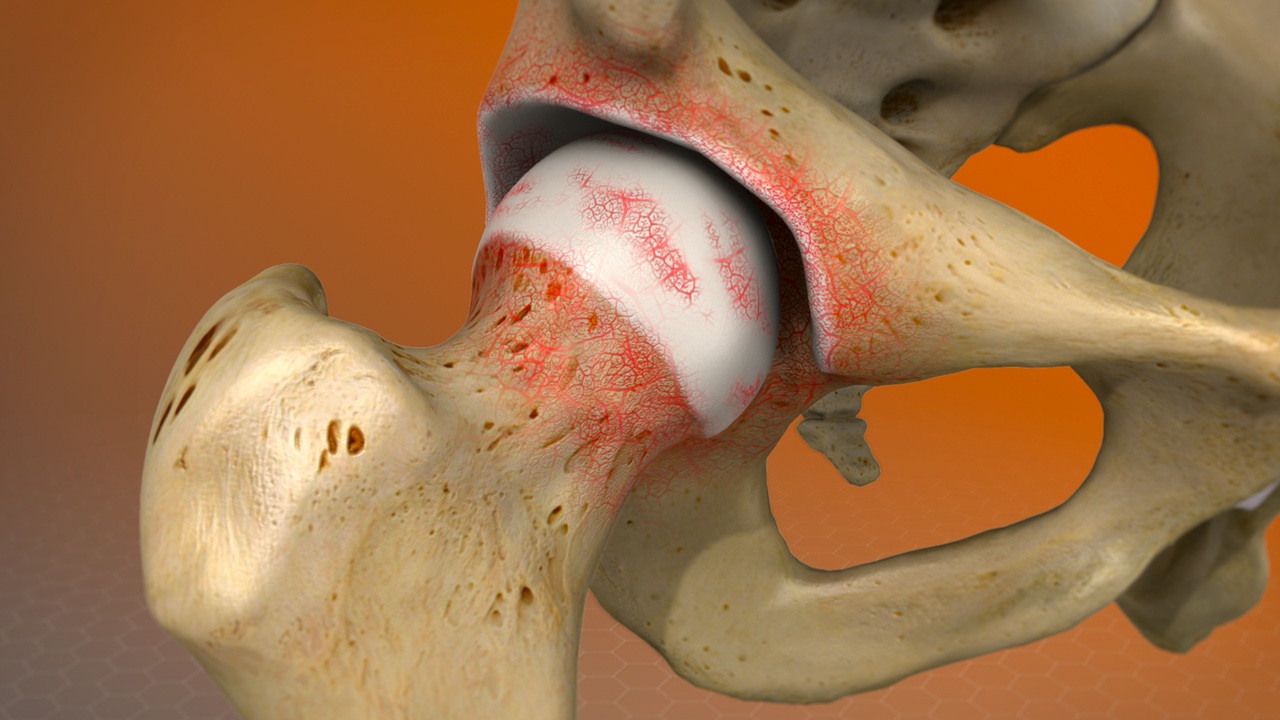
Recent analyses finds magnitude of effect of arthroscopic surgery for FAI to be different between males and females.
|
|
We treat interventions as prescriptions -- but sometimes fail to consider the nuances that dictate their efficacy.
This appears to be the case for femoroacetabular impingement, according to a recent study presented at the Arthroscopy Association of North America.
In this study, females were 45% more likely to achieve clinically important improvements compared to males.
According to Ryan Matthews, study investigator, "If we can tailor rehabilitation programs based on patient characteristics, such as sex, that might ultimately help individual rehabilitation and also patient satisfaction".
When it comes to evidence-based orthopaedics, the details matter.
|
|
|
Read the Article →
|
|
|
|
|
|
|
|
|
|
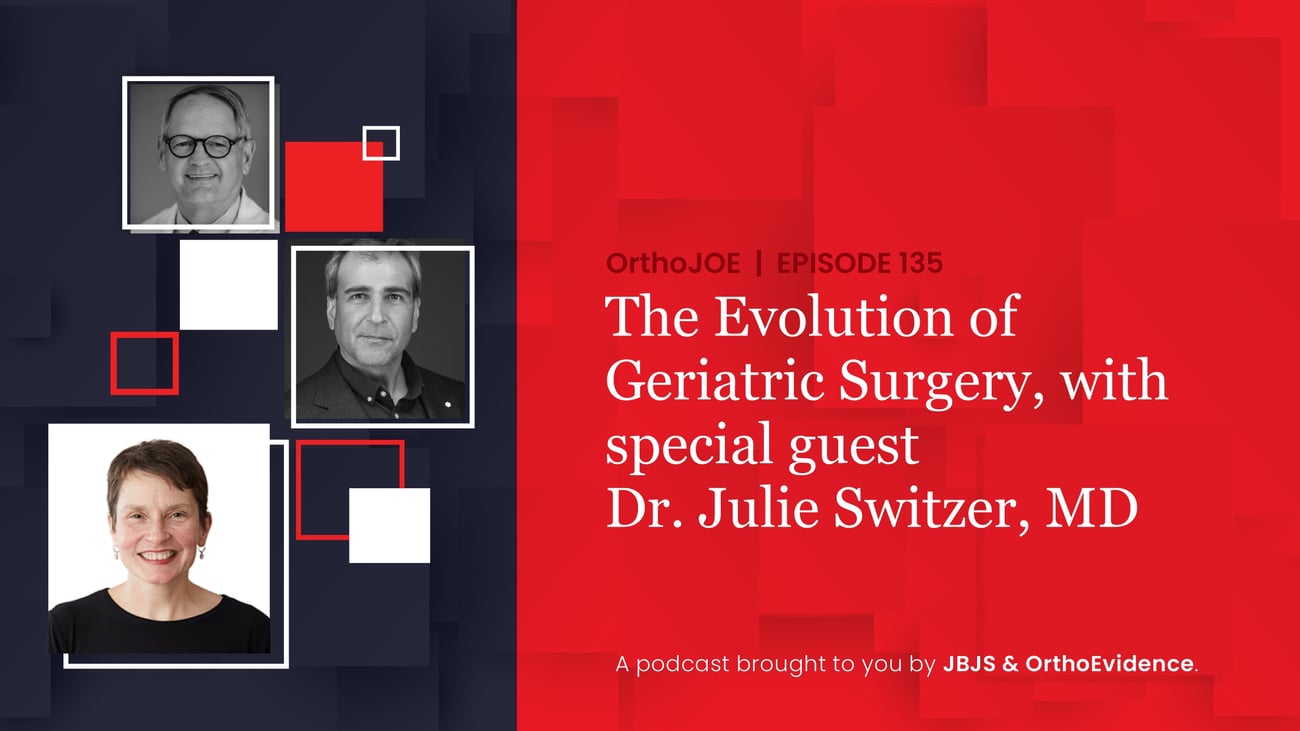
With aging populations around the world, geriatric fracture care is part of the future of orthopaedics.
Dr. Julie Switzer traces how personal connection, surgical purpose, and systems-level thinking shaped her career in caring for older adults.
The discussion reframes fracture management as more than operative fixation, emphasizing collaboration with therapists, geriatricians, hospitalists, nutritionists, and community partners.
Her message is clear: improving outcomes requires surgeons to look beyond the OR, embrace secondary fracture prevention, and train the next generation to see geriatric care as a core responsibility.
|
Watch Now →
|
|
|
|
Is Immobilization Necessary After Open Reduction and Internal Fixation of Distal Radius Fractures? A Meta-Analysis of Randomized Controlled Trials — In patients undergoing ORIF with volar locking plate fixation for distal radius fractures, does immediate postoperative mobilization compared with postoperative immobilization improve patient-reported outcomes, range of motion, and complication rates?
(Read)
(Read)
(Read)
(Read)
(Read)
(Read)
(Read) (Read)
|
|
|
Parathyroid Hormone in the Management of Pelvic Fragility Fractures: A Systematic Review and Meta-Analysis — In patients with fragility fractures of the pelvis, does treatment with PTH compared with standard care, placebo, sacroplasty, or internal fixation, improve fracture healing and reduce pain?
(Read)
(Read)
(Read)
(Read)
(Read)
(Read)
(Read) (Read)
|
|
|
Comparison of Two-point Sling vs. Triangular Bandage on Patient Satisfaction for Conservative Treatment in Clavicle Fractures: an RCT — In patients with conservatively treated mid-shaft or lateral clavicle fractures, does immobilization with a two-point sling, compared with a triangular bandage, improve patient satisfaction during early recovery?
(Read)
(Read)
(Read)
(Read)
(Read)
(Read)
(Read) (Read)
|
|
|
Two ways to inform your clinical decisions |
FastTrack — what your peers are reading across the networkOE Signal — personalized weekly evidence based on your interests |
|
|
|
|