|
|
|
|
|
|
Randomized trials suggests arthroscopic Bankart repair provides the best clinical outcomes at 6-years.
|
|
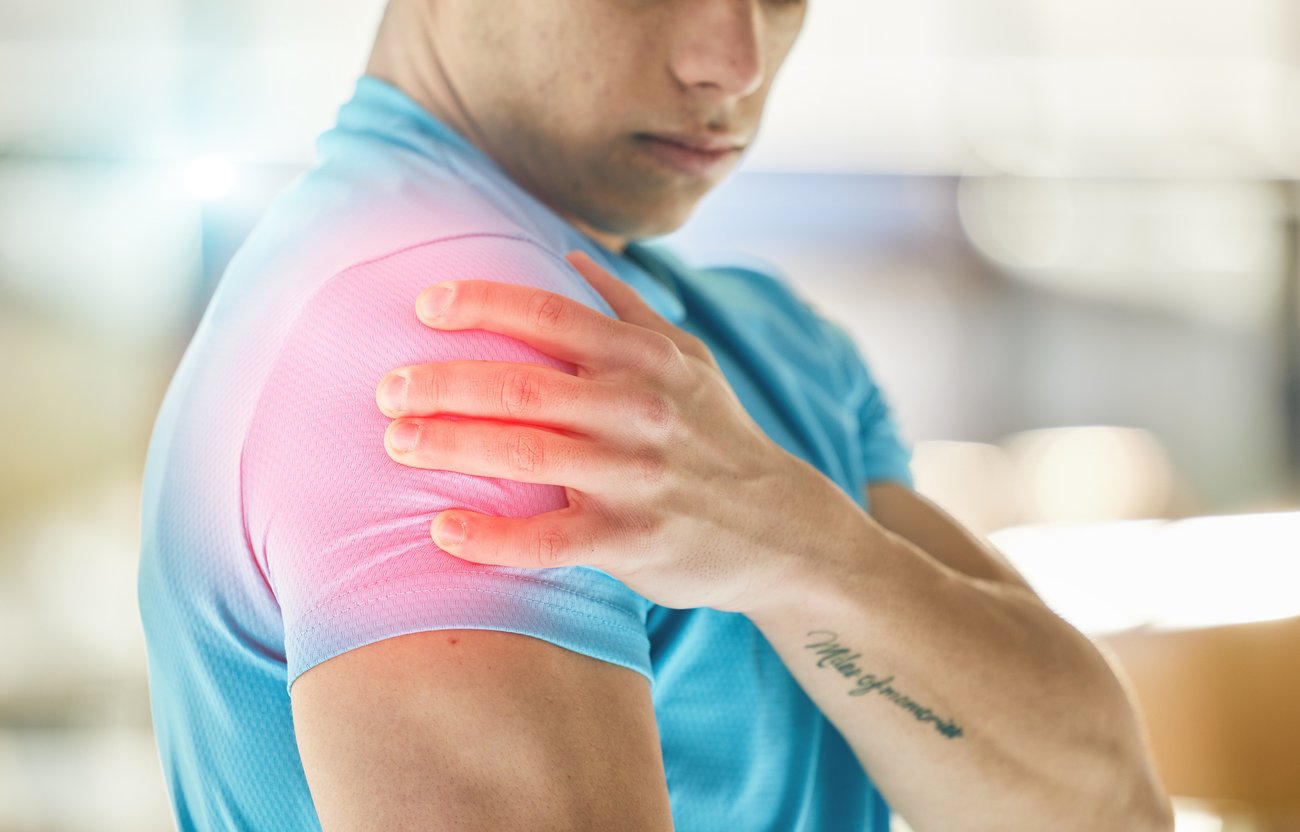
After an anterior shoulder dislocation, the biggest concern in younger patients is recurrence -- particularly in those non-operatively treated.
It leads to shoulder instability, and subsequent reductions in function and quality of life.
Arthroscopic labral repair (Bankart repair) have become more popular in recent years because they are associated with a lower risk of recurrence -- however, most trial data is limited to 2 years post-op. What are the outcomes 6 years out?
According to this follow up study of an RCT, the benefit persists:
A much lower risk of recurrence (27.8% vs. 89.5%).
Better function.
Higher rate of return to sport (82% vs. 21%).
Lower rate of need for shoulder stabilization surgery (11.1% vs. 47.4%).
There's a clear practice-changing signal in this trial: Bankart repair is superior.
|
|
|
Full Analysis →
|
|
|
|
|
|
|
|
|
|
|
Phase II trial finds novel neurotrophin-3 inhibitor to provide pain relief comparable and superior to that of NSAIDs for knee osteoarthritis.
|
|
You might have never heard of Levicept (LEVI-04) -- but its the latest emerging therapy that could act as a frontline treatment for patients with symptomatic knee osteoarthritis.
Recent data from a phase II, multi-centered, placebo-controlled trial of 518 found Levicept to provide clinically meaningful reductions in pain and function.
At higher doses, it even appeared to be superior to NSAIDs like naproxen.
"These data support LEVI-04 as providing clinically meaningful and important symptom benefits in people with knee OA, for a condition where we have not had new effective therapies in many years", said Dr Philip Conaghan, professor at University of Leeds.
|
|
|
Read the Article →
|
|
|
|
|
|
|
|
|

|
Secondary analyses can extend the value of clinical trials, but only when they are planned, reported, and interpreted with methodological discipline.
Framed around “Best Practices for Secondary Analyses in Clinical Trials,” this discussion uses the FIXIT trial as a case example, examining pain outcomes after modern ring external fixation versus internal fixation for severe open tibia fractures.
The broader message is that prespecification, adequate power, transparent reporting, and careful dissemination are essential to ensure secondary findings inform practice without overstating certainty.
|
Watch Now →
|
|
|
|
Efficacy of Inferior Extensor Retinaculum Reinforcement in Arthroscopic Ankle Lateral Ligament Repair: A Prospective Randomized Study — In patients with chronic ankle instability undergoing arthroscopic lateral ligament complex repair, does IER reinforcement improve clinical, functional, proprioceptive, radiologic, and complication outcomes compared with arthroscopic lateral ligament complex repair alone?
(Read)
(Read)
(Read)
(Read)
(Read)
(Read)
(Read) (Read)
|
|
|
Intramedullary Nail Versus Locking Plate for Displaced 3- and 4-Part Fractures of the Proximal Humerus: Two-Year Results From a Semidouble-Blind Randomized Trial —What is the comparative efficacy of intramedullary nailing vs. locking plate fixation in patients with 3-and 4- part fractures of the proximal humerus with regard to the improvement in the clinical over a period of 2 years?
(Read)
(Read)
(Read)
(Read)
(Read)
(Read)
(Read) (Read)
|
|
|
Effect of Perioperative Music on Delirium After Hip Fracture Operations (MCHOPIN): a Multicentre Randomised Clinical Trial in Dutch Hospitals — What is the comparative efficacy of receive standard care alone vs combined with music during the perioperative period in patients aged 65 years or more with proximal femur fracture requiring surgical treatment with regard to the reduction in the
incidence of perioperative delirium, pain and anxiety?
(Read)
(Read)
(Read)
(Read)
(Read)
(Read)
(Read) (Read)
|
|
|
Two ways to inform your clinical decisions |
FastTrack — what your peers are reading across the networkOE Signal — personalized weekly evidence based on your interests |
|
|
|
|