|
|
|
|
|
|
Meta-analyses of 737 patients finds digital health interventions to significantly enhance functional improvement and independence.
|

|
Hip fractures present a host of treatment-related challenges, both during and after the operation.
Particularly for elderly patients, adequate rehabilitation is a major problem. But the advent of digital health interventions -- accelerated by the COVID-19 pandemic -- has provided a popular and promising strategy for enhancing clinical outcomes during physiotherapy.
They are increasingly being used (and scientifically studied), but what is the evidence of their effectiveness?
According to this recent systematic review of 13 studies, DHIs provide:
Improved hip function.
Improved functional independence.
The evidence on quality of life and balance outcomes is inconclusive, but promising.
Digital health interventions have a role in orthopaedics.
The key will be to identify optimal use-cases, both for this indication and outside of it.
|
|
|
Full Analysis →
|
|
|
|
|
|
|
|
|
|
|
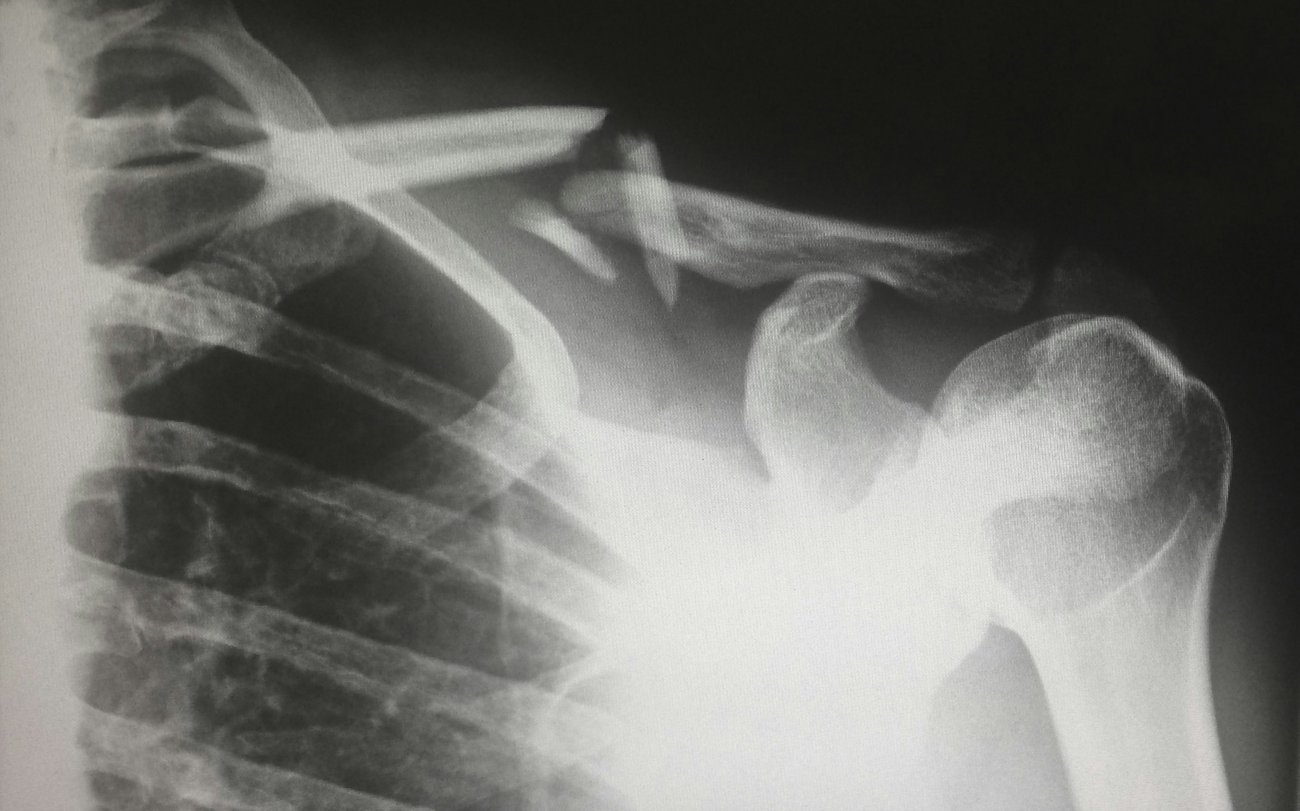
New fracture fixation solutions seek to simplify procedures, reduce OR time, and minimize soft-tissue damage.
|
|
"The biggest unmet clinical need [in fracture fixation] is achieving stable fixation without compromising biology or soft tissue."
These are the words of Sarah Sachinis, CEO and President of Meduloc.
Fracture fixation has for a long time struggled to balance mechanical stability with soft-tissue preservation. But new innovations in the field are promising to change that narrative.
Companies like Meduloc, and others, are aiming to provide fracture solutions that reduce surgical complexity, minimize soft tissue damage, and maximize stability all at the same time.
|
|
|
Read the Article →
|
|
|
|
|
|
|
|
|

|
Secondary analyses can extend the value of clinical trials, but only when they are planned, reported, and interpreted with methodological discipline.
Framed around “Best Practices for Secondary Analyses in Clinical Trials,” this discussion uses the FIXIT trial as a case example, examining pain outcomes after modern ring external fixation versus internal fixation for severe open tibia fractures.
The broader message is that prespecification, adequate power, transparent reporting, and careful dissemination are essential to ensure secondary findings inform practice without overstating certainty.
|
Watch Now →
|
|
|
|
Effect of Subacromial Bursa Augmentation on Self-Reported and Magnetic Resonance Imaging Outcomes in Arthroscopic Rotator Cuff Repair — In patients undergoing primary ARCR for full or near-full-thickness supraspinatus tears, does subacromial bursa augmentation improve patient-reported outcomes and MRI-based tendon healing compared with standard ARCR?
(Read)
(Read)
(Read)
(Read)
(Read)
(Read)
(Read) (Read)
|
|
|
A Prospective Randomized Controlled Trial on the Effect of Music Therapy Intervention on Pain and Anxiety in Adult Patients Undergoing Total Shoulder Arthroplasty —In adults undergoing total shoulder arthroplasty, does music therapy reduce perioperative pain and anxiety compared with standard care without music therapy?
(Read)
(Read)
(Read)
(Read)
(Read)
(Read)
(Read) (Read)
|
|
|
Hydrodissection With or Without Corticosteroid Versus Corticosteroid-Only Injection for Carpal Tunnel Syndrome — What is the comparative efficacy of hydrodissection alone vs hydrodissection combined with corticosteroid vs corticosteroid alone in patients with carpal tunnel syndrome?
(Read)
(Read)
(Read)
(Read)
(Read)
(Read)
(Read) (Read)
|
|
|
Two ways to inform your clinical decisions |
FastTrack — what your peers are reading across the networkOE Signal — personalized weekly evidence based on your interests |
|
|
|
|