|
|
|
|
|
|
|
|
|
Randomized trial of over 300 patients finds no essentially no difference between the two. |
 |
|
The future of total knee replacement is robotic.
That's what many will tell you in surgical lounges around the world.
Residents, staff, and hospital administrators are often pushing for the latest robotic technology in their ORs.
But is it really worth the exorbitant costs?
Some observational data says yes, but with no large definitive trials out the jury was still out.
To help settle the debate, the RACER-Knee trial, just published in the Lancet, aimed to compare the two on clinical and economic outcomes.
339 patients undergoing total knee replacement for knee osteoarthritis were randomized to receive a robotic-assisted TKR or a conventional TKR.
After 12 months?
No difference in all clinical outcomes between the two.
The only difference was in economic outcomes: robotic TKR was way more expensive, and highly unlikely to be cost-effective. |
|
|
|
Full Analysis → |
|
|
|
|
|
|
|
|
|
|
|
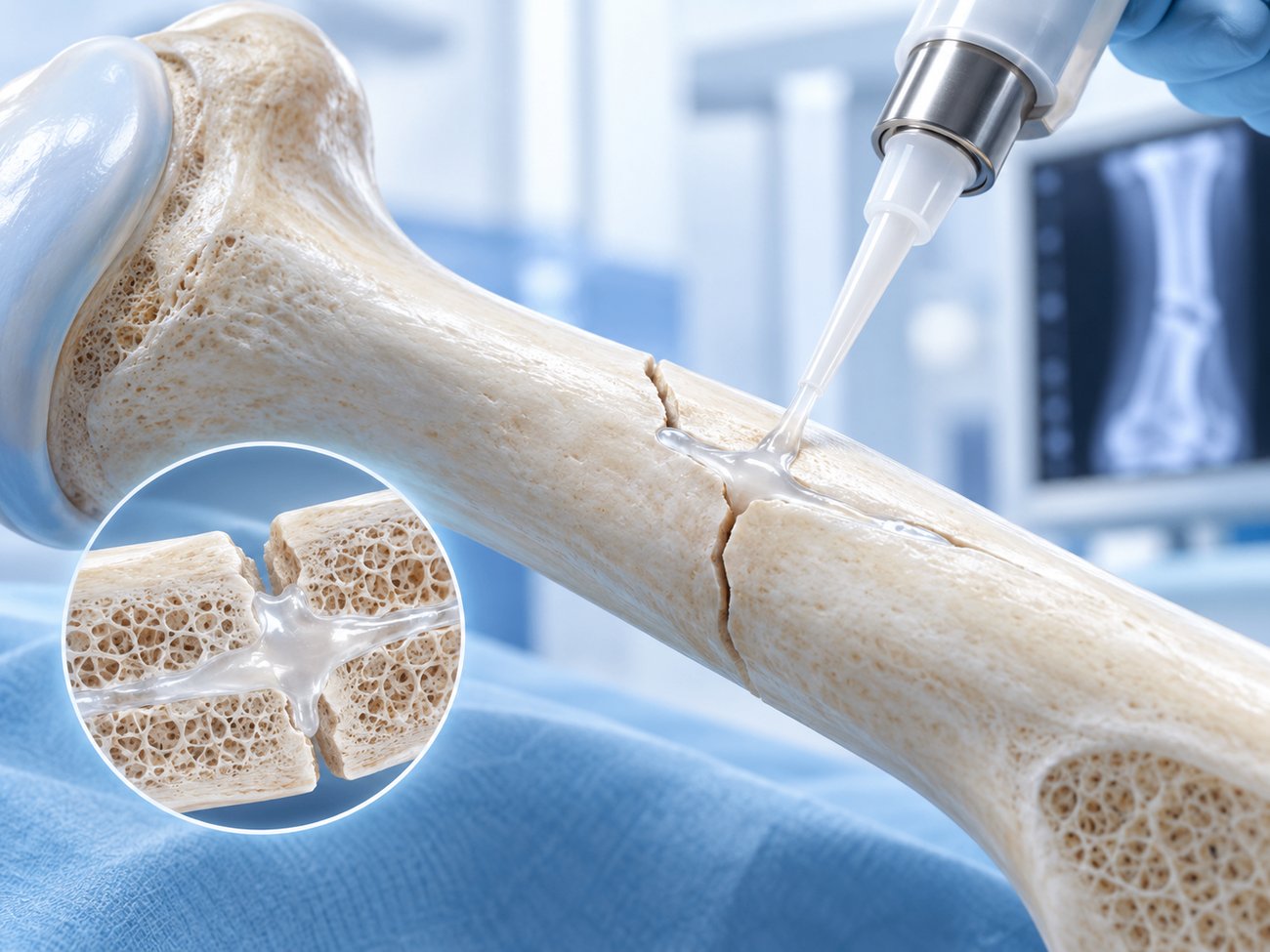
Novel bone glue used on a patient in England for the first time. In early August this year, the bone glue was used on a patient during knee surgery in England. |
 |
|
More than 10 years ago, Håkan Engqvist and Philip Procter began developing a bone glue designed to help repair fractures. Now, the glue has been used on a patient in England for the first time. In early August this year, the bone glue was used on a patient during knee surgery in England. The patient is the first participant in a clinical study evaluating the glue's effectiveness in treating fractures near joints.
The glue—a type of bone-filling material—consists of calcium phosphate and phosphoserine mixed with water. This creates a sticky consistency that hardens rapidly and becomes extremely strong.
"This is the dream for people in biomaterials: to take it out of the lab and see, does it really work? Do surgeons come back to us and say, this is good enough, or do we need to improve it? This is a huge step in the project, and we're really pleased that we made it this far," says Procter, founder of Biomimetic Innovations Ltd. and affiliated professor at the Department of Materials Science and Engineering, Uppsala University.
|
|
|
|
Read the Article → |
|
|
|
|
|
|
|
|
 |
|
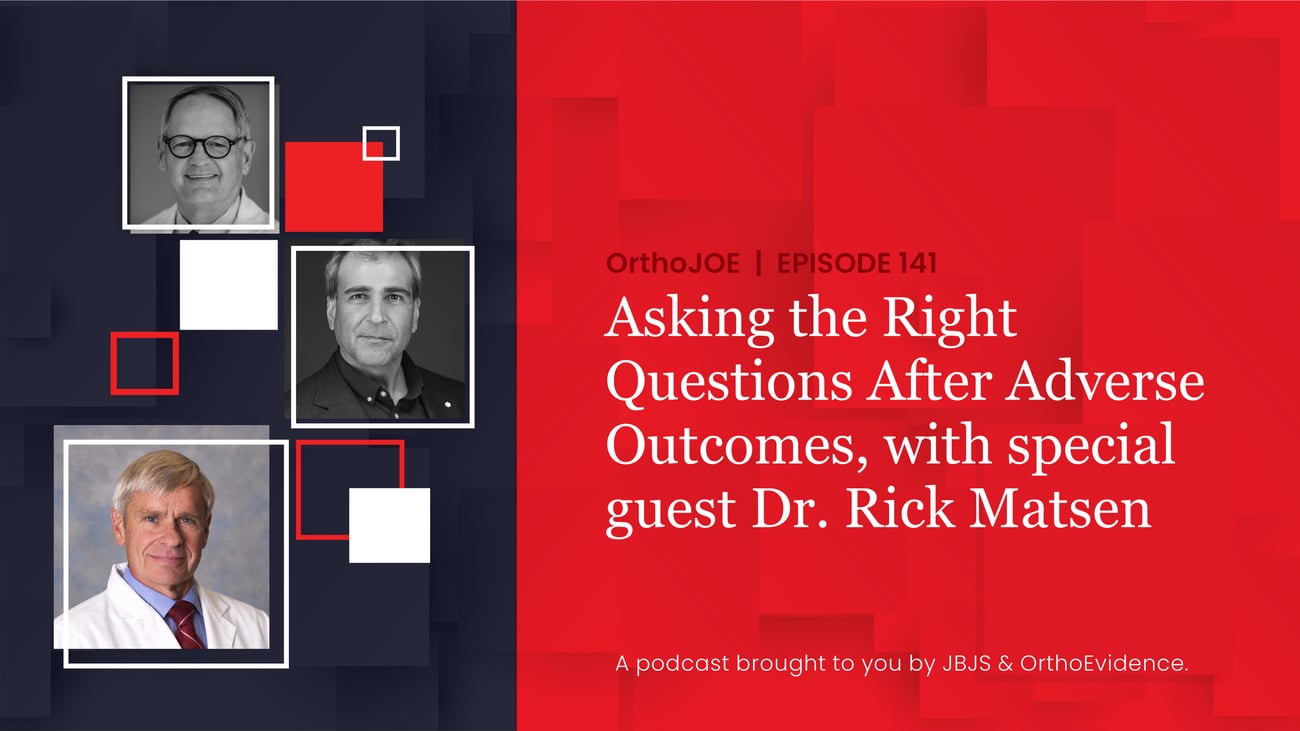
Orthopaedic outcomes cannot be understood through revision rates, imaging, or technical precision alone.
Special guest Dr. Rick Matsen challenges surgeons to ask a more fundamental question: how are their patients actually doing? By systematically following individual outcomes, especially poor ones, surgeons can identify root causes, question whether new technologies address real clinical problems, and refine their own practice.
The discussion reframes quality improvement around accountability, patient priorities, careful selection, and a willingness to learn from failure. |
|
Watch Now → |
|
|
|
|
|
Transdermal and Oral Anti-Inflammatory Drugs on Immediate Post-Operative Pain Control in Total Knee Arthroplasty — In adults aged ≥50 years undergoing primary unilateral TKA for knee osteoarthritis, did a transdermal Esflurbiprofen patch, compared with oral Celecoxib, provide non-inferior postoperative pain control at 14 days, with comparable functional outcomes and safety?
(Read)
(Read)
(Read)
(Read)
(Read)
(Read)
(Read) (Read) |
|
|
|
Perioperative Systemic Glucocorticoids in Primary Unilateral Total Hip Arthroplasty —In adult patients undergoing primary unilateral total hip arthroplasty, does perioperative systemic glucocorticoid administration, compared with placebo or standard care without systemic glucocorticoids, improve postoperative pain, postoperative nausea and vomiting, opioid consumption, glycemic control, inflammatory response, functional recovery, and safety outcomes?
(Read)
(Read)
(Read)
(Read)
(Read)
(Read)
(Read) (Read) |
|
|
|
Open Reduction and Internal Fixation Versus Total Elbow Arthroplasty for Intra-articular Distal Humerus Fractures in Patients 65 Years or Older — In patients with intra-articular DHF, does ORIF result in different elbow function, range of motion, surgical time, hospital stay, complications, infections, and revision surgery compared with TEA?
(Read)
(Read)
(Read)
(Read)
(Read)
(Read)
(Read) (Read) |
|
|
|
Two ways to inform your clinical decisions |
FastTrack — what your peers are reading across the network
OE Signal — personalized weekly evidence based on your interests |
|
|
|
|